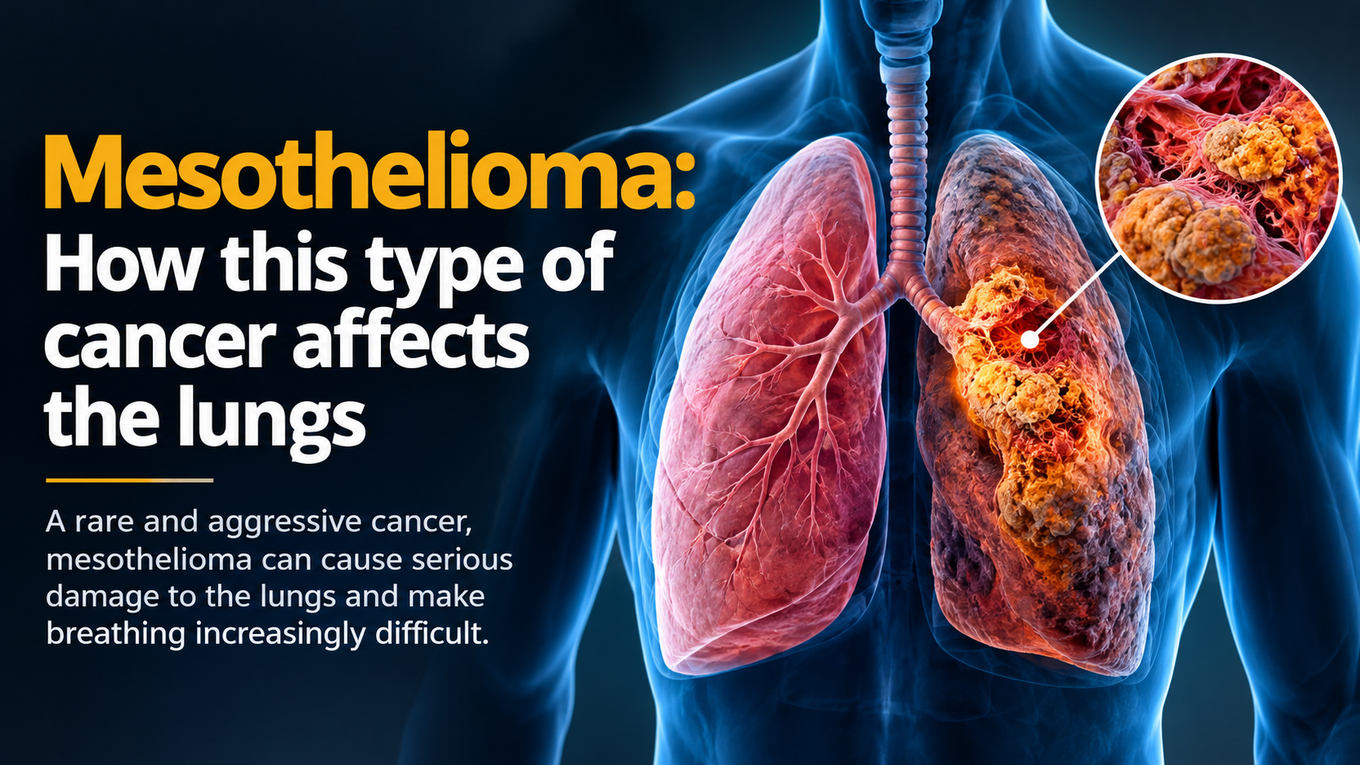
Mesothelioma: How This Type of Cancer Affects the Lungs
The Silent Changes That Can Make Breathing Difficult
Breathing is something most people rarely think about. Every day, the lungs deliver oxygen to the body, allowing us to walk, work, sleep, and enjoy ordinary moments with family. But when a serious disease affects the tissues surrounding the lungs, even simple activities can become unexpectedly difficult.
Mesothelioma is one such disease. This uncommon and aggressive cancer is most often associated with asbestos exposure and can develop decades after the initial contact. When it affects the lining around the lungs, it is known as pleural mesothelioma.
Understanding how mesothelioma affects the lungs is important because early symptoms may be subtle and resemble more common respiratory conditions. Recognizing persistent changes and seeking medical evaluation can help people obtain answers and explore appropriate care.
What Happens When Mesothelioma Develops Near the Lungs?
Although pleural mesothelioma is often described as a lung-related cancer, it begins in the pleura rather than in the lung tissue itself.
The pleura consists of two thin layers. One covers the surface of each lung, while the other lines the inside of the chest cavity. A small amount of fluid between these layers allows the lungs to move smoothly as a person breathes.
When malignant cells develop in the pleura, they can multiply abnormally and cause the tissue to thicken. As the disease progresses, cancer may spread along the pleural surfaces, restricting the lungs’ ability to expand comfortably.
These changes can lead to chest discomfort, persistent breathlessness, and other respiratory problems.
For some patients, the effects develop gradually. They may initially notice that walking uphill or climbing stairs requires more effort than before. Over time, everyday activities may become increasingly challenging.
However, breathing difficulties have many possible causes, and they do not automatically indicate mesothelioma.
How Asbestos Exposure Can Lead to Mesothelioma
Asbestos is a group of naturally occurring minerals historically used in construction, insulation, shipbuilding, manufacturing, and industrial equipment because of its resistance to heat and fire.
When asbestos-containing materials are disturbed, microscopic fibers can become airborne. People may inhale these fibers, allowing them to enter the respiratory system and potentially reach the tissues surrounding the lungs.
Some fibers can remain in the body for many years, contributing to inflammation, cellular damage, and biological changes associated with cancer development.
Mesothelioma may appear decades after exposure, sometimes 20 to 50 years later. This lengthy interval can make it difficult for people to connect a current diagnosis with a former job or an earlier environment.
Workers in construction, shipyards, manufacturing, insulation installation, and demolition have historically faced occupational risks. Exposure can also occur when contaminated dust is carried home on clothing.
Not everyone exposed to asbestos develops mesothelioma. Nevertheless, people with a history of exposure should share that information with their healthcare professionals, especially when discussing unexplained respiratory symptoms.
Five Ways Mesothelioma Can Affect Breathing and Lung Function
1. Shortness of Breath
One of the most common symptoms of pleural mesothelioma is dyspnea, the medical term for shortness of breath.
As cancer thickens the pleural lining or fluid accumulates around the lungs, normal lung expansion may become more difficult. Patients may feel breathless while walking, exercising, or performing routine household tasks.
In some cases, breathlessness also occurs at rest.
Persistent or worsening difficulty breathing deserves medical evaluation because it may reflect a range of conditions, some of which require prompt treatment.
2. Fluid Around the Lungs
Pleural effusion occurs when excess fluid collects between the two pleural layers.
Mesothelioma can contribute to this accumulation, increasing pressure within the chest and limiting comfortable lung expansion. Patients may experience breathlessness, coughing, or chest heaviness.
Depending on the circumstances, doctors may recommend draining the fluid to relieve symptoms. Additional procedures or treatments may be considered if the fluid repeatedly returns.
Although fluid accumulation can occur with mesothelioma, it can also result from infections, heart problems, and other diseases. Medical testing is necessary to identify the cause.
3. Chest Pain and Discomfort
The pleura and surrounding chest structures can become affected as the cancer grows.
Some people experience persistent pain on one side of the chest, discomfort when taking a deep breath, or a feeling of pressure beneath the ribs.
The intensity and pattern of pain vary. Because chest pain may have several causes, it should not be ignored or automatically attributed to a respiratory infection.
Sudden or severe chest pain requires urgent medical assessment.
4. Persistent Cough
A cough that continues without an obvious explanation may occur in people with pleural mesothelioma.
The cough can be associated with changes in the pleura, fluid accumulation, or other effects of disease involving the chest. However, coughing is common in many respiratory illnesses and is not specific to cancer.
A persistent cough, particularly when accompanied by breathlessness, chest discomfort, or unexplained weight loss, should be discussed with a healthcare professional.
5. Reduced Energy and Physical Endurance
When breathing becomes more difficult, routine activities can require greater effort. Patients may feel unusually tired, struggle to maintain previous activity levels, or need more frequent rest.
Cancer itself may also contribute to fatigue, reduced appetite, and weight loss.
These effects can influence independence, emotional well-being, and quality of life. Medical support can help patients understand the causes of their symptoms and identify ways to manage them.
How Doctors Investigate Changes in the Lungs
Diagnosing pleural mesothelioma requires careful medical assessment.
Doctors generally begin by reviewing symptoms, previous illnesses, occupational history, and possible asbestos exposure. Imaging tests, such as chest X-rays and computed tomography scans, may reveal pleural thickening, fluid accumulation, or other abnormalities.
A biopsy is generally needed to confirm malignant mesothelioma. During this procedure, a tissue sample is collected and examined by a pathologist. Additional laboratory testing may help distinguish mesothelioma from other cancers.
Doctors may also perform further investigations to establish the extent of the disease and determine which treatments may be appropriate.
Because mesothelioma is relatively uncommon, consultation with a specialist experienced in the disease can help patients understand their diagnosis and treatment options.
Treatments That May Help Patients Breathe More Comfortably
Treatment depends on the disease’s stage, tumor characteristics, and the patient’s overall health.
Options for eligible patients may include chemotherapy, immunotherapy, surgery in carefully selected cases, and radiation therapy in particular circumstances.
Doctors can also treat symptoms directly. Procedures to drain pleural fluid may improve breathing for some patients. In cases of recurrent fluid accumulation, additional interventions may be considered.
Supportive and palliative care can help manage breathlessness, pain, fatigue, anxiety, and other difficulties. These services can be provided alongside cancer-directed treatment and are intended to improve comfort and quality of life.
No single approach is suitable for everyone. Patients should discuss the potential benefits, risks, and limitations of each option with their medical team.
Protecting Your Health Through Awareness
There is no reason to assume that every cough or episode of breathlessness signals a serious disease. However, persistent changes in breathing deserve attention, especially when accompanied by a history of asbestos exposure.
If you suspect that an older building contains asbestos, do not disturb potentially contaminated materials yourself. Cutting, drilling, sanding, or removing them can release hazardous fibers. Qualified professionals should assess and manage the materials according to applicable safety regulations.
If you experience continuing shortness of breath, unexplained chest discomfort, or a persistent cough, seek medical advice. Sudden or severe breathing difficulties require urgent medical attention.
Conclusion: Every Breath Deserves Attention
Pleural mesothelioma can affect breathing by thickening the tissues surrounding the lungs, restricting lung expansion, and causing fluid to accumulate around the chest. These changes may lead to breathlessness, pain, coughing, and reduced physical endurance.
Although mesothelioma remains a serious illness, understanding its effects can help patients recognize symptoms, communicate effectively with healthcare professionals, and learn about appropriate treatment and supportive care.
Do not ignore persistent changes in your breathing. Learning about mesothelioma, understanding the risks associated with asbestos, and seeking professional medical advice when symptoms continue are meaningful steps toward protecting your health.
pleural mesothelioma symptoms, mesothelioma and breathing problems, asbestos exposure and lung health, pleural effusion, mesothelioma treatment options.